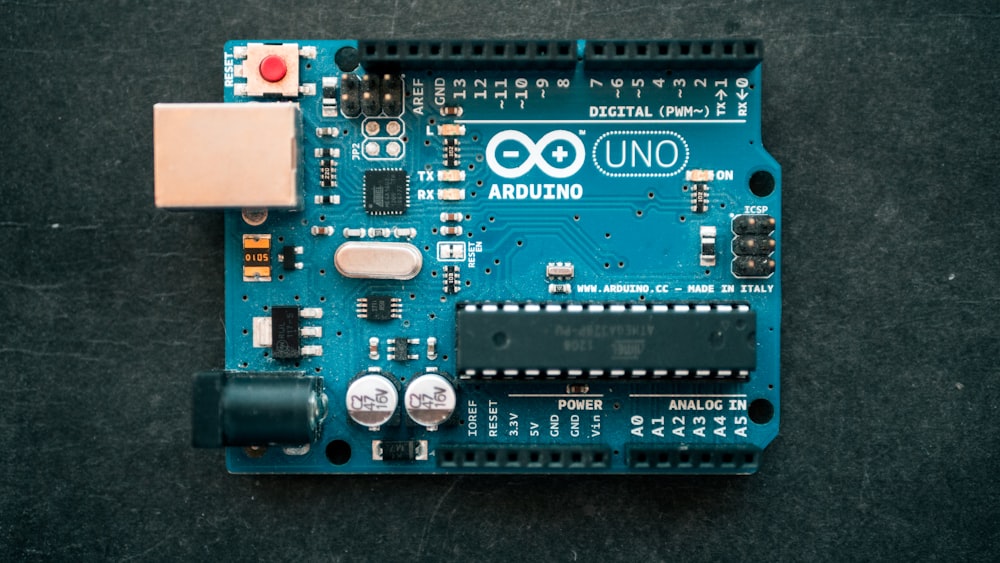
Both Arduino and STM32 are popular platforms for building embedded automotive projects, but they serve different stages of the learning and development journey.
Arduino: The Easiest Entry Point
Arduino boards are built around simplicity. The Arduino IDE, extensive libraries, and huge community make it easy to get a sensor reading or actuator control working within minutes. For beginners building their first mini ECU or sensor interface, Arduino removes a lot of setup friction.
STM32: Closer to Real Automotive Hardware
STM32 microcontrollers, based on ARM Cortex-M cores, are what you'll find in many real-world embedded and automotive-adjacent products. They offer more precise timers, more ADC channels, native CAN controllers, and significantly more processing headroom — but with a steeper learning curve involving register-level programming or HAL libraries.
Quick Comparison
- Ease of use: Arduino wins for beginners
- Real-time performance: STM32 offers better timer precision and interrupt handling
- CAN support: STM32 has native CAN peripherals; Arduino often needs an external CAN module
- Industry relevance: STM32 (and similar ARM Cortex-M chips) are closer to what's used in production automotive ECUs
- Cost: Arduino boards are generally cheaper for hobbyist experimentation
Our Recommendation
Start with Arduino to build confidence with sensors, actuators, and basic control logic. Once you're comfortable, move to STM32 to work with hardware that mirrors real automotive embedded systems — exactly the progression we follow in our ECU development course and workshops.