Controller Area Network, or CAN, is a robust communication protocol that allows multiple ECUs in a vehicle to talk to each other without a central computer. It was developed by Bosch in the 1980s to reduce the amount of wiring needed as vehicles added more electronic systems.
Why CAN Was Needed
Before CAN, each ECU pairing needed its own dedicated wire, creating a tangled and heavy wiring harness. CAN solved this by allowing all ECUs to share a single pair of wires (CAN High and CAN Low), broadcasting messages that any node on the network can listen to.
How CAN Messages Work
Every CAN message contains an identifier and a data payload of up to 8 bytes (in classic CAN). The identifier doesn't represent a destination address — instead, it represents message priority and content. Every node receives every message and decides locally whether to act on it.
Key Features of CAN
- Multi-master architecture — any node can initiate communication
- Priority-based arbitration — lower identifier values win bus access first
- Built-in error detection and fault confinement
- Twisted-pair wiring for noise immunity in harsh automotive environments
- Speeds up to 1 Mbps for classic CAN, higher for CAN FD
Where You'll Use It
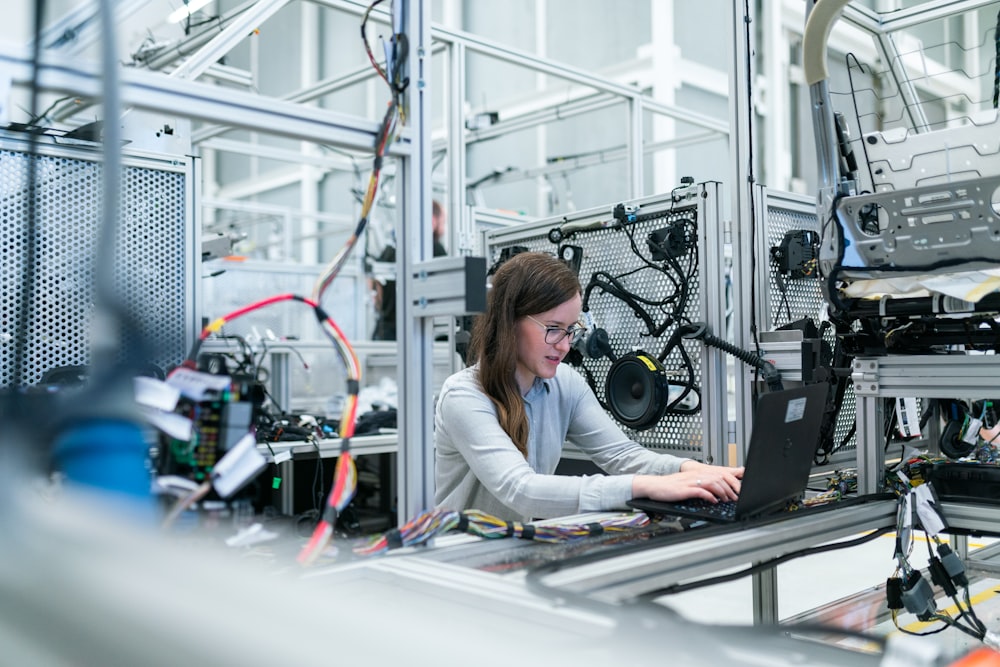
If you work on ECU development, you'll almost certainly interact with CAN — whether reading diagnostic data, simulating messages during testing, or designing a new node. Tools like a USB-to-CAN adapter paired with software like PCAN-View or python-can are common starting points for hands-on practice.